Weekly ecommerce tips, deals & news.
Ecommerce coupons are one of the simplest ways to move shoppers from “just browsing” to placing an order. After all, they act like a small push at the right moment, not a loud shove. Thus, when used well, they feel helpful instead of desperate.
Many store owners fear coupons teach customers to wait for discounts. That’s true when sales run nonstop, which means nothing feels special. However, the issue isn’t coupons themselves, but using them without a plan.
This guide explores what coupons are and how to use them with intention. The goal? To your grow orders while keeping your profits healthy!
So, let’s get started!
Ecommerce coupons are discount codes or offers that shoppers can apply during checkout to reduce the order cost. Typically, they take the form of percentage discounts, fixed amount savings, free shipping, or product-based deals.
In simple terms, ecommerce coupons are incentives that make buying feel easier or more rewarding.

For WooCommerce store owners, coupons aren’t just about lowering prices. Basically, they’re tools that guide customer behavior. Thus, when used with intent, they support growth instead of weakening it.
The data shows that when shoppers find the right incentive, their behavior shifts immediately:
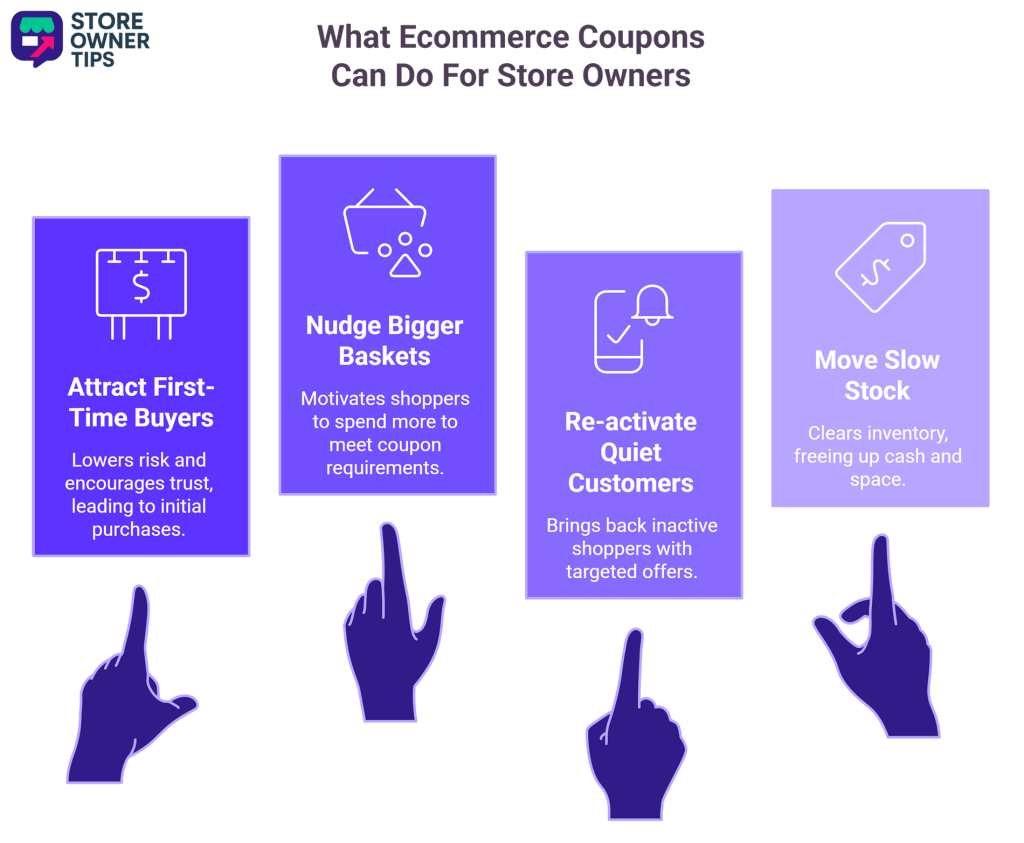
You can use ecommerce coupons to:
New shoppers often need a reason to trust a new store. A small welcome coupon lowers the risk and helps them place that first order.
Example: A shopper hesitates to buy a $50 item. But when offered a coupon that takes 10% off their first order, they realize they get to save $5. Thus, they feel more confident trying your store.
Coupons that only work when shoppers spend a certain amount can motivate them to buy more. It’s like encouraging someone to grab one more item before checkout.
Example: Imagine creating a coupon that shaves $10 off orders over $100. A customer has $95 in their cart, so they add a small $10 item to unlock the discount and save money.
A targeted coupon can bring back shoppers who haven’t ordered in a while. Basically, it acts as a gentle tap on the shoulder that encourages them to buy from you again.
Example: Picture emailing a 20% off coupon to customers who haven’t bought in six months. One lapsed customer sees it, buys a $60 item, and starts coming back again.
Coupons can help clear items that are stuck on the shelf. Thus, they free up cash and space for better sellers.
Example: If you have leftover winter scarves from last season, you can offer a 25% off coupon on them. This motivates shoppers to buy them, clearing room for spring products.
Ecommerce coupons work best when paired with email, content, and seasonal campaigns.
Remember: alone, coupons are weak. But together, they can increase sales while keeping profits healthy.
Many coupon problems come from habits that feel harmless at first. Over time, they add up and hurt profits. Thus, it’s important to spot these early to save yourself a lot of pain.
Here are coupon mistakes we often see new store owners make:
Always-on discounts teach shoppers to wait for a deal instead of buying at full price. From what we’ve seen, this can lower your profits and make your products feel less valuable.
Solution: To avoid this problem, add clear start and end dates so shoppers take action within a limited time.
Example: Offer 20% off only for one week instead of every day.
Not every customer needs the same deal. In other words, giving everyone a big discount can waste money.
Solution: Give coupons to the groups who really need a push to buy.
Example: Send a 15% off code to people who signed up for your newsletter, not all visitors.
If discounts work on any order, even very small ones, they can eat into your profits.
Solution: Set a minimum order amount to encourage shoppers to buy more and protect your profit.
Example: Give $10 off only on orders over $50.
Letting shoppers use several discounts at once can get out of hand and cost you too much.
Solution: Limit coupon use so shoppers can only apply one discount at a time.
Example: A customer can’t combine a free shipping code with a 20% off code.
Unlimited coupon codes can be abused, with the same person using them over and over.
Solution: Limit the number of uses per customer and overall so the deal is fair and still makes money.
Example: Allow each coupon to be used only once per shopper.
🚀 Power Tip: Start with just a few coupon rules and test their impact. It’s easier to adjust one or two limits than untangle a web of overlapping discounts later. Small, smart guardrails protect your profits without confusing your customers.
Each small rule acts like a guardrail. Together, they keep your store on the road.
Before offering any ecommerce coupon, you need to know a few key numbers about your store. These include how much customers usually spend, how much profit you make on each product, and how much a customer is worth over time.
You don’t need fancy tools or spreadsheets. In fact, just a basic understanding of these numbers will help you make smarter discount choices.
This shows how much customers usually spend in a single order. Knowing this helps you set minimum amounts for coupons so shoppers add enough to make the discount worth it.
Example: If most customers spend $50, a coupon that only works on orders over $60 encourages them to buy a bit more.
This tells you how much profit you make on each item or group of items. Products with low profit can’t handle big discounts, while high-margin items can.
Example: A shirt that costs $20 to make and sells for $50 has a $30 margin, so a small discount is fine. On the other hand, a hat that costs $15 and sells for $20 can’t be discounted much without losing money.
This is the total value a customer brings over the time they buy from your store. Losing a little on the first order can be okay if they come back and buy more later.
Example: If a customer usually orders $100 each month for a year, giving them $10 off their first order can lead to much bigger profit later.
Imagine a product that sells for $100 with a $40 cost. You have $60 to work with before fees. A 10 percent coupon leaves room to breathe, while 30 percent may choke profit.
🚀 Power Tip: Track these numbers regularly, not just once. Customer behavior, product costs, and order trends change over time. Updating your average order value, margins, and lifetime value ensures your coupons stay profitable and your discounts never backfire.
Knowing these numbers helps you choose discounts with confidence. Guessing leads to regret later.
Not all coupons serve the same purpose. Each type works best in a certain situation. For this reason, choosing the right one matters more than the size of the discount.
With that in mind, here are some of the most effective ecommerce coupons you can use:
These are designed to turn first-time visitors into buyers. A small discount gives shoppers a reason to try your store and start a relationship.
Example: 10% off your first order
Tip: Make it one-time use per customer to protect margins.

These encourage shoppers to spend more by giving a discount only when they reach a certain order amount. This can increase your average order value without cutting into small orders.
Example: $15 off orders over $120
Tip: Set the minimum above your usual order value so customers add more items to qualify.
These focus on specific items or groups of items, such as slow-moving or seasonal products. They help clear stock that might otherwise sit unsold.
Example: 20% off summer accessories
Tip: Exclude high-margin best sellers to avoid losing too much profit.
These remove one of the biggest barriers at checkout: shipping costs. Many shoppers will complete a purchase if shipping is free.
Example: Free shipping on orders over $75
Tip: Avoid offering it on very small orders to protect your profit.
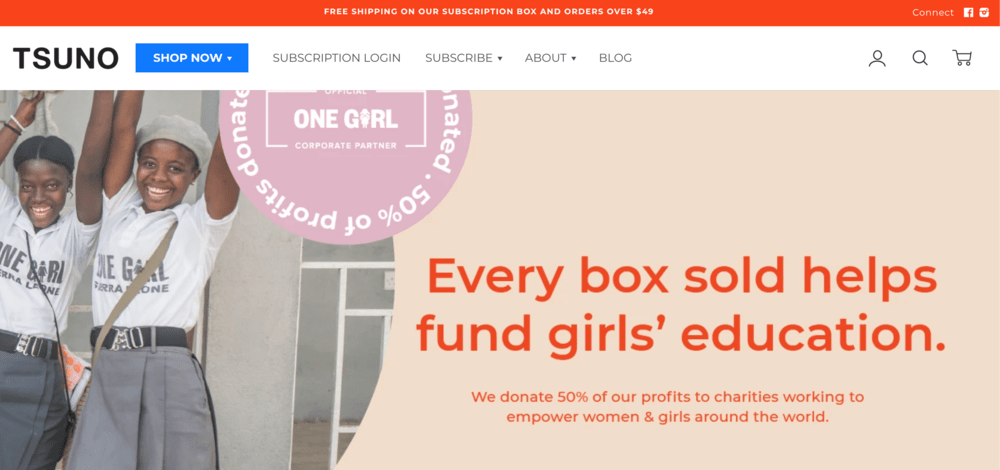
These encourage customers to buy multiple items in one order. They can help move inventory and introduce shoppers to new products.
Example: Buy two, get one half off
Tip: Limit the deal to selected products to prevent giving away expensive items.
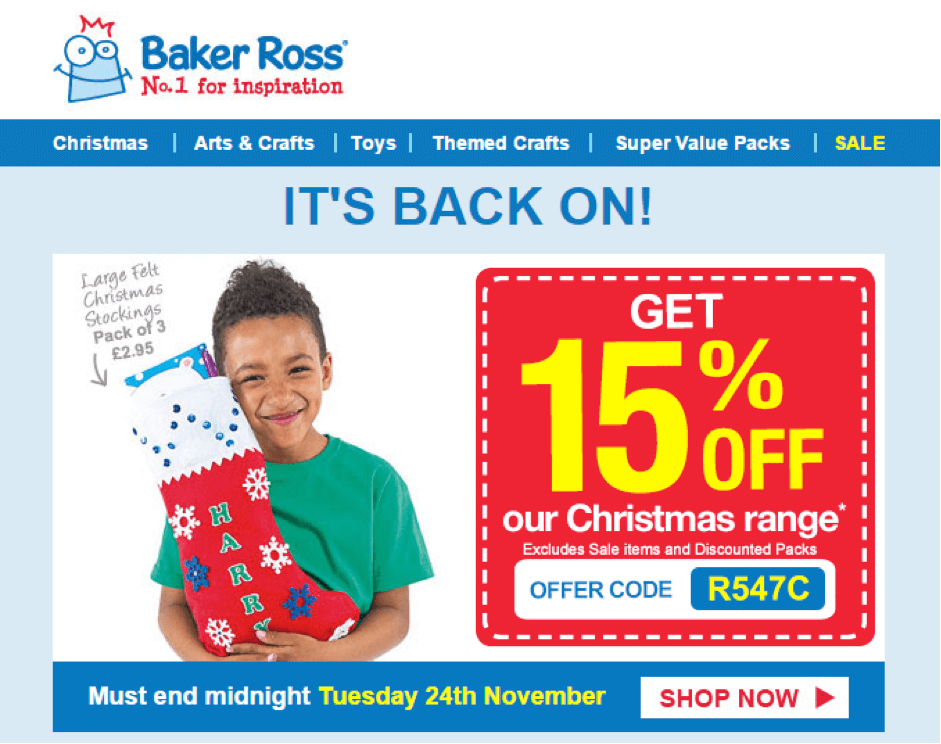
These are tied to events like holidays, sales seasons, or special promotions. They create urgency and align with what shoppers expect during these times.
Example: Black Friday storewide code
Tip: Set a clear end date and use reminders so shoppers act before the offer expires.
🚀 Power Tip: Don’t rely on just one coupon type at a time. Combining strategies—like a welcome coupon for first-time buyers with free shipping on larger orders—can maximize conversions while protecting profits. Test different combinations to see which mix drives the most revenue without hurting margins.
Remember, each coupon type has a job. So treat them like tools, not toys!
One coupon for everyone is easy. Unfortunately, it can get expensive and wasteful, fast.
The solution? Targeting and segmentation. Basically, this means giving the right ecommerce coupon to the right group of shoppers. When you tailor offers, you spend less on discounts while getting better results.
Think of it like fishing. You don’t want to throw the same bait into the whole lake. Instead, you should use the right bait for the fish you want to catch.
Now, let’s look at how you can target and segment your customers to get better results:
New visitors often need a nudge to make their first purchase. On the other hand, returning shoppers may already trust your store, so they might not need the same kind of discount.
Example: Offer 10% off to first-time buyers to encourage them to try your store. For returning shoppers, consider a small reward like $5 off, free shipping, or a bonus sample.
Tip: Avoid giving the same welcome coupon to returning customers. After all, they may be willing to buy at full price.
Frequent buyers deserve a small reward for their loyalty. Even a minor coupon can strengthen the relationship and encourage them to keep buying.
Example: Give $10 off for customers who spend over $300 in the past three months.
Tip: Track your top spenders and offer them slightly better deals than casual shoppers.
🚀 Power Tip: Consider inviting your top customers to a loyalty program. Offer points, exclusive discounts, or early access to new products. This keeps them engaged and makes them more likely to return.
Email-only coupons reward shoppers who pay attention to your messages and sign up for your list. They also help grow your subscriber base.
Example: Send a 15% off code only to newsletter subscribers.
Tip: Use these codes to encourage sign-ups or repeat orders, not for everyone visiting your site.
These shoppers added items to their cart but didn’t complete the purchase. Thankfully, a limited-time coupon can be the nudge they need to finish checkout.
Example: Send an email with 10% off valid for 24 hours to someone who left items in their cart.
Tip: Keep the discount small and urgent. Basically, it should push the sale without hurting profit too much.
🚀 Power Tip: Offer a wishlist feature so shoppers can save items they want but aren’t ready to buy. This helps them remember the products and encourages them to return to complete their purchase. It can also help recover lost sales and lower abandoned cart rates.
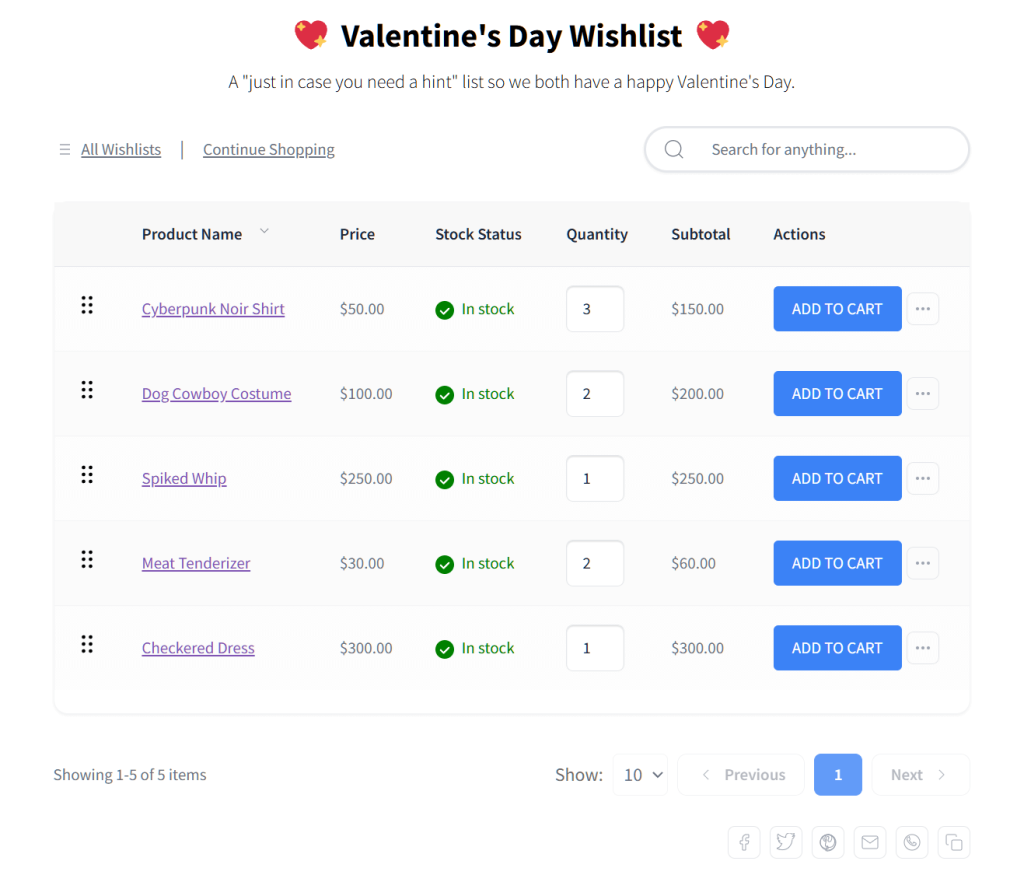
Keep in mind that a combination of targeting and segmentation is like fishing with the right bait. You waste less and catch more.
A good coupon can fail if no one sees it. Therefore, where you show your offers on your WooCommerce store matters just as much as the discount itself. Furthermore, you should keep your messages clear and easy to understand so shoppers know exactly what they can get.
From experience, the following ecommerce coupon placements will serve you best:
These appear at the top of your site, making them perfect for sitewide or time-limited promotions. Keep the text short so visitors notice it without feeling overwhelmed.
Example: You could display a message like, “Get 20% off sitewide. The offer ends Sunday.” This quickly tells visitors about a limited-time offer and creates urgency. Placing it at the top of every page ensures shoppers see it no matter where they browse.
Highlight major campaigns on your homepage to grab attention. Use banners or featured sections for big sales, but avoid cluttering the page.
Example: Add a “Black Friday Deals” section near the top of your homepage that highlights your main sale items. This makes it easy for shoppers to see key products as soon as they land on your site.
Show ecommerce coupons that are relevant to the product or category being viewed. Basically, this helps shoppers see deals they can actually use.
Example: On a product page, display a message like, “Buy 1, get 1 free on matching items.” This shows shoppers a deal they can actually use for the product they are viewing, making it more likely they’ll add items to their cart.
Remind shoppers of minimum order discounts or free shipping goals right before they buy. This can push them to add one more item and unlock the coupon.
Example: Display a message like, “Add $10 more to get free shipping!” at the cart or checkout page. This reminds shoppers of the deal and can encourage them to add one more item to reach the discount.
🚀 Power Tip: Don’t show the same coupon in every placement at full strength. For example, use a subtle reminder in the announcement bar, a more detailed offer on the product page, and a final “last chance” nudge at checkout. This layered approach increases visibility without overwhelming shoppers.
At the end of the day, clarity beats volume. Too many offers at once feel like noise and can confuse shoppers.
Seasonal campaigns work best when planned ahead. They feel natural and give shoppers a clear reason to act. Think of each campaign as a short story with a beginning, a main event, and an ending.
These include events like Black Friday, Cyber Monday, or a sitewide clearance sale. The goal is to maximize revenue in a short period.
Example coupon: Give your email subscribers early access with 20% off, then release a public code for everyone else at 15% off.
Timeline: Start with the early launch for loyal customers, run the main sale for all shoppers, and finish with a last-chance reminder to catch anyone who hasn’t purchased yet.
Holiday campaigns aim to boost gift orders and themed shopping. Shoppers are already in a buying mood, so ecommece coupons should match the occasion. Focus on key holidays like Christmas, Valentine’s Day, and Halloween.
Example coupon: Offer 15% off Christmas gift bundles, $5 off Valentine’s Day gift sets, 10% off New Year party items, or discounts on Halloween costumes and decorations.
Timeline: Keep campaigns short and clear, with defined start and end dates to create urgency and encourage shoppers to act.
After big sales or holiday campaigns, leftover stock can sit unsold. However, post-event ecommerce coupons help move these products quickly while freeing up space for new inventory.
Example coupon: Offer 20% off remaining summer items, or a “buy one, get one 50% off” deal on leftover clearance products.
Timeline: Launch the campaign soon after the main event, and send one or two short reminders to shoppers. Keep it limited so it feels urgent and doesn’t drag on.
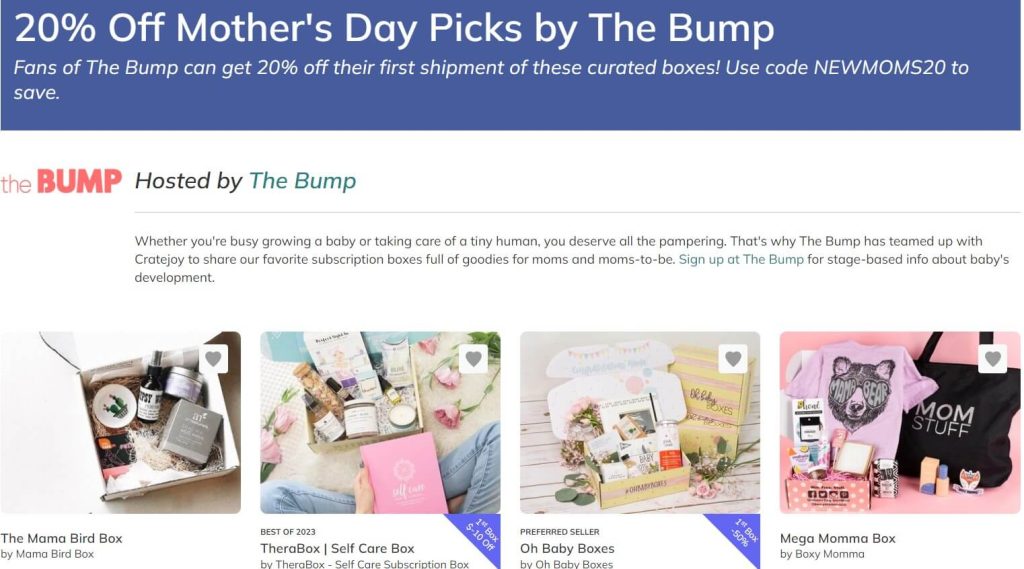
🚀 Power Tip: Plan your seasonal coupon campaigns on a calendar in advance. That way, you can coordinate emails, social posts, and website banners all at once. Even a small amount of prep ensures each campaign launches smoothly, feels cohesive, and maximizes urgency.
A simple structure keeps your campaigns focused. Adding too many moving parts can slow things down and confuse shoppers.
Coupons should earn their place. Tracking a few basic numbers helps you see which ones are working and which aren’t. You don’t need perfect data. In fact, you just need enough to make smart decisions.
Look at how much money comes in from orders using a coupon. This shows the direct impact of your discount. If a coupon isn’t driving enough sales, it might not be worth running again.
Example: If a Black Friday code generated $2,500 in sales, you can see whether it met your revenue goals. If it didn’t, you might need to adjust the discount, timing, or promotion method to make it more effective next time.
Compare orders using ecommerce coupons to those without. Coupons that raise order size are more valuable than ones that just give a discount on small purchases.
Example: Let’s say orders with a “Spend $100, get $10 off” coupon averaged $120, while orders without the coupon averaged $85. This shows the coupon successfully encouraged shoppers to spend more, making it a valuable promotion to repeat.
Check whether your profit still grew overall, even after giving discounts. Some ecommerce coupons can increase sales but shrink margins too much, so it’s important to balance the two.
Example: A 30% off coupon doubled sales but cut profits in half. Meanwhile, a smaller 15% coupon kept profits positive while still increasing revenue. This shows that a smaller, well-planned discount can grow sales without hurting your bottom line.
See whether the coupon is mostly used by new shoppers, returning customers, or high-value buyers. This helps you understand if your strategy is reaching the right audience.
Example: A welcome coupon might be used 90% by first-time buyers, while a free shipping code might mostly attract repeat customers. This tells you which coupons are reaching the right audience and helps you adjust future offers to target the shoppers you want.
🚀 Power Tip: Segment your coupons based on usage data. For example, if a particular code is mostly used by repeat customers, consider creating a new offer aimed specifically at first-time buyers to balance your sales mix. Small tweaks like this can boost revenue and loyalty without increasing your discount budget.
Change one thing at a time when testing. Small tweaks, like adjusting the discount or the minimum spend, are easier to learn from and help you improve results steadily.
Running coupons manually can get tricky as your store grows. Managing start and end dates, minimum spend rules, and multiple campaigns takes time, and it’s easy to make mistakes.
This is where a coupon plugin can help.
For WooCommerce store owners, Advanced Coupons is a popular option. It adds features beyond what the basic WooCommerce coupon system can do. As a result, store owners can create more targeted, flexible, and automated discounts that save time and drive more sales without cutting into profits.

Here are some ways a versatile WooCommerce coupon plugin can help:
A good WooCommerce coupon plugin lets you control exactly when and to whom a discount applies. For instance, Advanced Coupons lets you target specific products, categories, or customer types, so you don’t give discounts to everyone by default. This helps protect your profit while still rewarding the shoppers you want to reach.
Example: Offer 10% off only to email subscribers who purchase a bundle of products. This ensures loyal subscribers get a special deal, while casual visitors don’t get a discount on the same items.
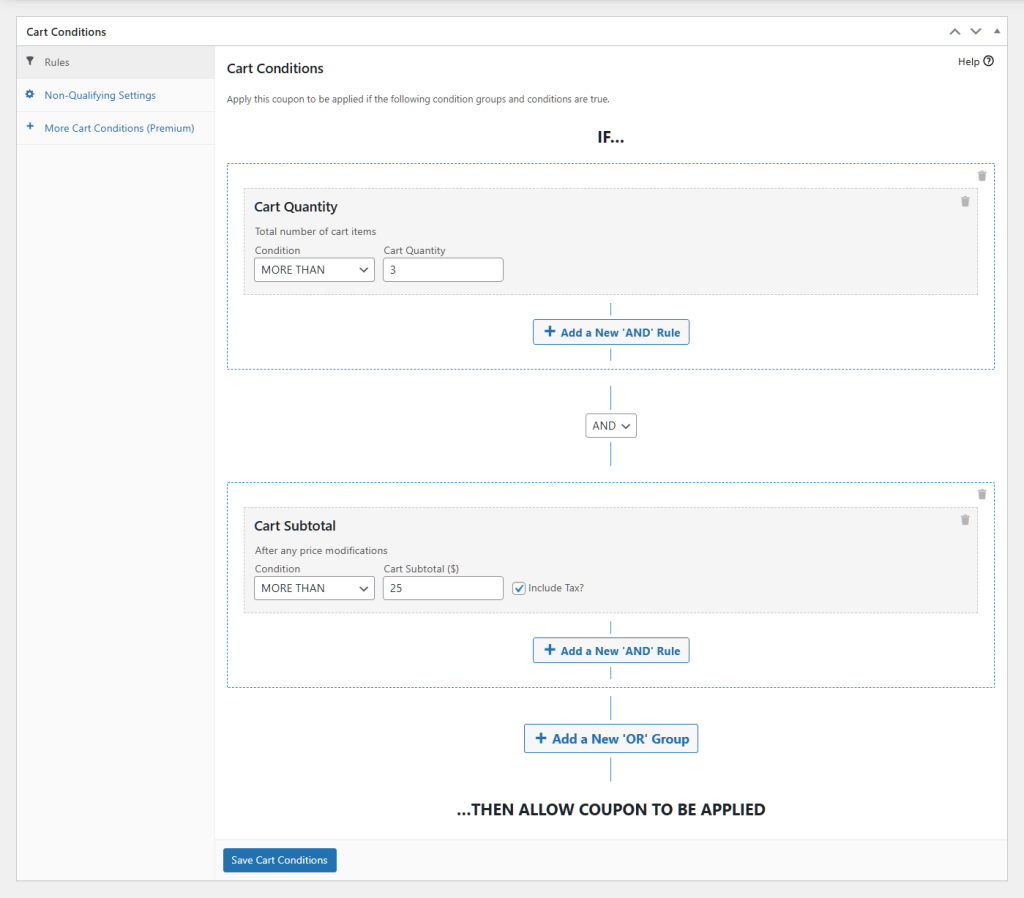
With a plugin such as Advanced Coupons, you can schedule when discounts start and end. Thus, you don’t have to remember to activate or deactivate codes manually. As a result, you can keep promotions consistent, ensuring shoppers see the deal exactly when you want.
Example: Set a 20% off Black Friday coupon to activate at midnight on Friday and expire at 11:59 PM. This ensures the sale runs only during the intended period and creates urgency without extra work.
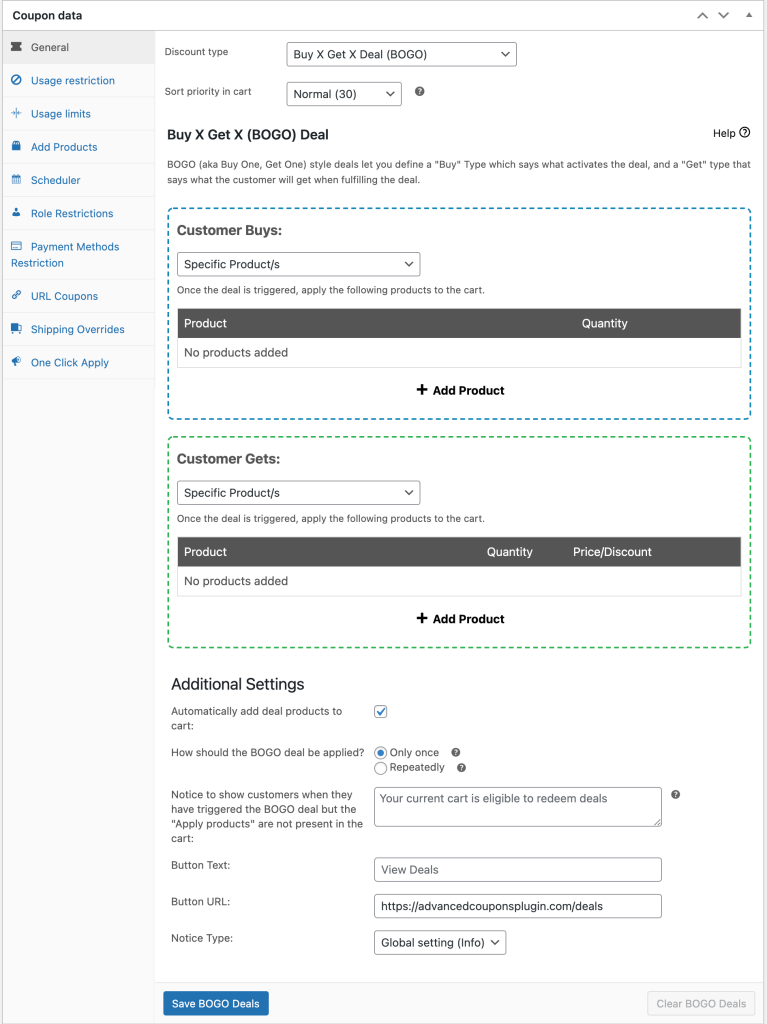
You can easily create more creative offers that WooCommerce alone can’t handle. For instance, you can encourage shoppers to buy multiple items or reward them with gifts, which can increase average order value and move more inventory.
Example: Set up a “Buy two T-shirts, get one 50% off” deal, or give a free tote bag when someone buys a bundle of three products. This motivates shoppers to buy more while feeling like they’re getting extra value.
Plugins like Advanced Coupons let you reward repeat customers with points or store credit instead of always giving discounts. This encourages shoppers to keep coming back while protecting your margins.
Example: Give 10 points for every $1 spent, which customers can redeem as store credit on future orders. Over time, loyal shoppers return to use their points, increasing repeat sales without constantly cutting prices.
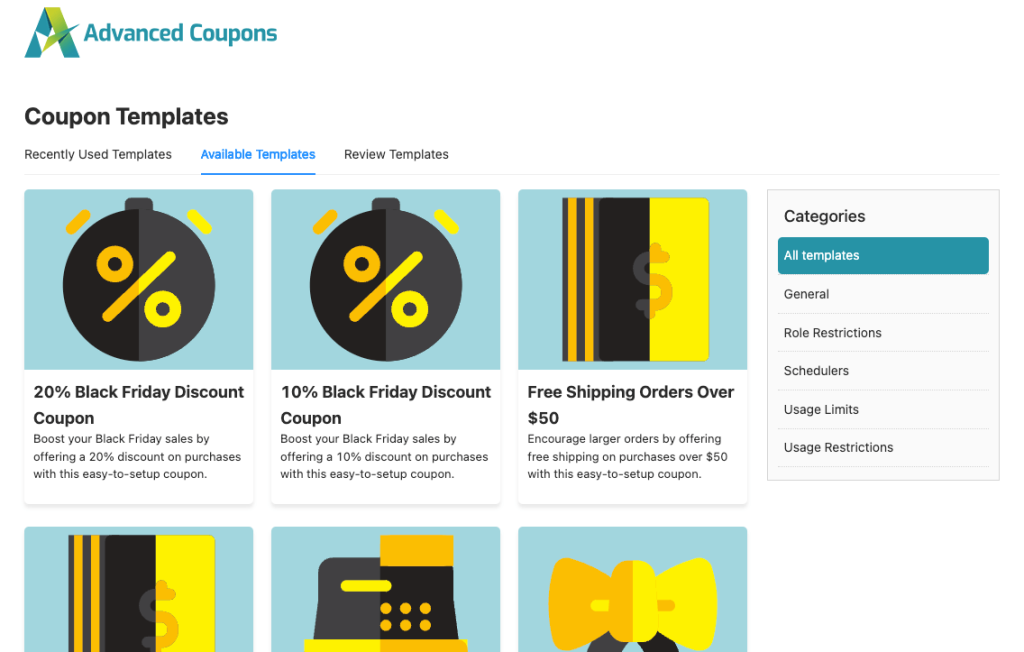
Plugins like Advanced Coupons often include ready-made templates for common promotions, saving you setup time. Built-in tracking also shows how your WooCommerce coupons perform, so you know what’s working and what isn’t.
Example: Use a “Free Shipping on Orders Over $75” template and monitor how many shoppers use it. If the coupon boosts sales without hurting profits, you can reuse it for future campaigns; if not, you can tweak the conditions for better results.
Advanced Coupons lets you reward customers with store credits after they complete a purchase. This works like cash back, but instead of paying money back, customers earn credit they can spend on future orders.
Example: A customer buys a $100 item with a 5% cash back coupon. After the order is complete, they receive $5 in store credit to use later. This encourages repeat purchases without cutting into your immediate profit.
🚀 Power Tip: Use cash back coupons strategically to increase customer loyalty and motivate repeat orders, rather than giving them away too frequently.
Using a plugin doesn’t replace smart planning. However, it does make it easier to execute and manage campaigns correctly.
For growing WooCommerce stores, a tool like Advanced Coupons can save hours, reduce mistakes, and help you get more from your discounts.
Ecommerce coupons aren’t just about giving discounts; they’re powerful tools to guide shopper behavior, boost sales, and build customer loyalty. And when used strategically, they can attract new buyers, increase average order value, clear slow-moving stock, and encourage repeat purchases without draining your profits.
To recap, this article covered the following key concepts about ecommerce coupons:
Remember: coupons work best when they feel intentional, timely, and valuable. When you treat them as tools, not crutches, your WooCommerce store can turn simple discounts into a growth engine that supports both revenue and long-term customer relationships.
Ecommerce coupons are discount codes or offers that shoppers can apply during checkout to reduce the order cost, such as percentage discounts, fixed savings, free shipping, or product deals. When used strategically, they guide customer behavior, encourage larger orders, attract new buyers, and boost sales without harming profits.
To protect your margins, avoid running nonstop sitewide discounts, giving the same discount to everyone, skipping minimum order rules, stacking multiple coupons, and forgetting usage limits. Instead, set clear start and end dates, target specific customer groups, enforce minimum purchase requirements, limit coupon stacking, and restrict usage to prevent abuse.
Effective types include welcome coupons for first-time buyers, cart value boosters to encourage larger purchases, product or category discounts for clearing stock, free shipping to reduce checkout barriers, bundle deals or BOGO offers to increase order size, seasonal coupons for special campaigns, and store credits or cashback to build loyalty. Choose the type based on your marketing goal.

Copyright © StoreOwnerTips.com. All Rights Reserved.
