Weekly ecommerce tips, deals & news.
A dynamic coupon is a unique discount code created automatically for one specific shopper. Store owners use these special codes to reward individual customer actions instead of running storewide sales. The system links the code directly to a specific email address, so nobody else can use the offer.
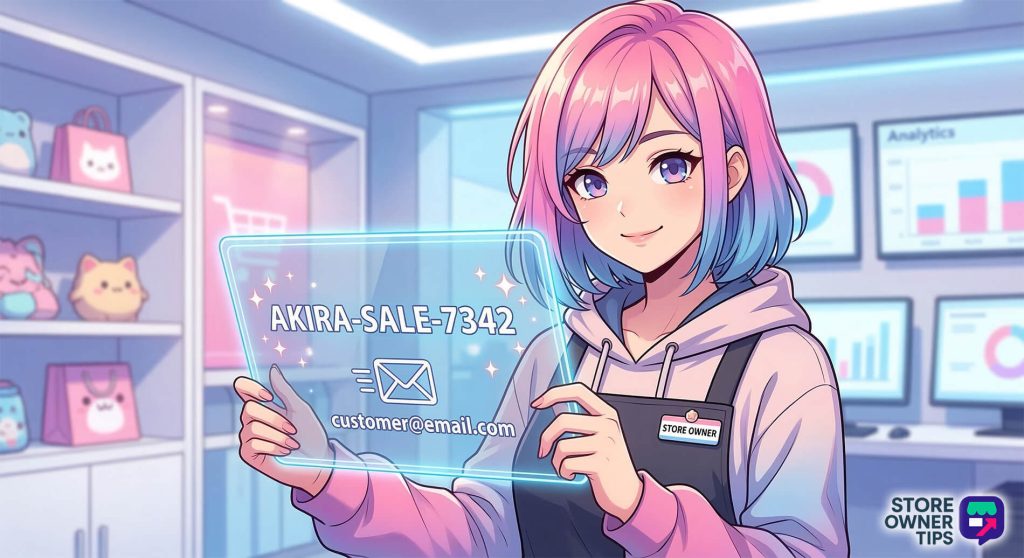
These unique codes change how you handle store promotions. An automated marketing system creates them in real time based on what shoppers do on your site. This ensures your marketing budget goes exactly where it needs to go.
By using customer tracking data, you can send these single use codes to encourage specific actions. You stop giving away free money to eager buyers who already planned to pay full price. Instead, you only offer a dynamic coupon codes to users who truly need a push to finish their purchase.
The system relies entirely on clear rules to work. When a visitor meets your specific rules, the software automatically creates a customized code and sets a strict expiration date. The system then delivers this offer through an email, a text message, or a popup on your website.
Creating a dynamic coupon code requires a smart software setup. This setup connects your website tracking with your store database and email system. This completely removes the need for you to make coupon codes by hand.
The process begins by collecting shopper behavior data. Your automation software silently watches how users interact with your online store. It tracks specific data points such as:
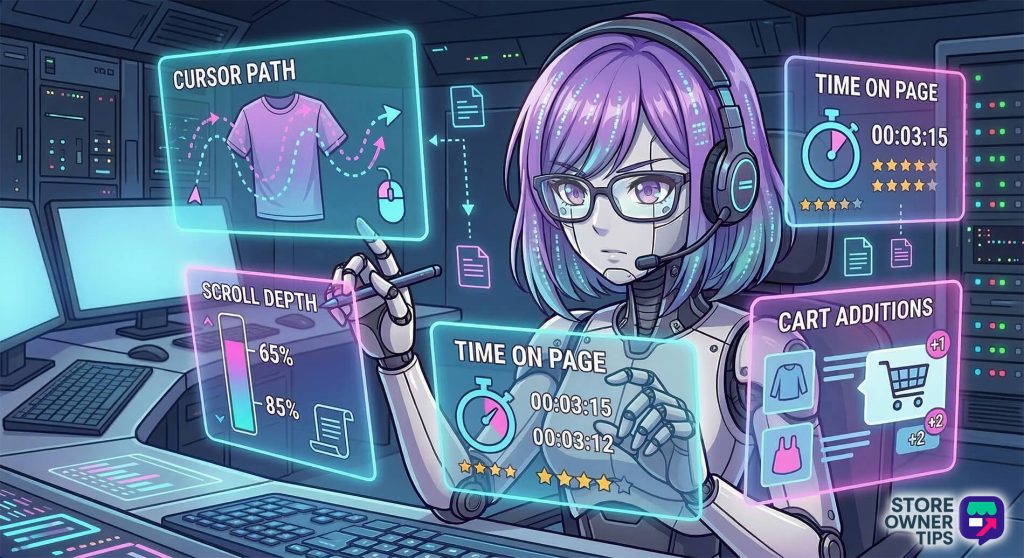
When a user reaches a certain point, they trigger an automated event. Common trigger events include:
After detecting this trigger, the workflow usually adds a strategic delay. You do not want to send a cart abandonment email the exact second a user leaves. If you do that, shoppers will learn to abandon their carts on purpose just to get discounts.
Instead, the system waits for a specific amount of time. It might wait thirty minutes for a lost cart or several days for an old customer. Once the waiting period ends, the system connects to your store database.
The system then creates a brand new code based on your specific rules. These rules decide the discount amount and the exact expiration date. You can even add custom prefixes to make the codes easy to spot in your sales reports.
The software also adds personal details to the code. The system might take the shopper’s first name and attach a random mix of letters and numbers. For example, a dynamic coupon might look like SARAH-VIP-7X9B.
This deep personalization makes the offer feel very special. Finally, the system puts this unique code into an email or a text message. If the shopper ignores the code, the software eventually deletes it to keep your system clean.
To fully understand this strategy, you should compare it to the traditional static coupon model. Static coupons are generic codes like SUMMER20 or FREESHIP. Store owners make them for widespread sharing and repeated use.
Static codes are very easy to remember and share on social media. They work well for massive brand awareness campaigns. However, this ease of sharing creates a huge financial risk for your business.
When a high value static code leaks online, it ends up on massive coupon websites. Shoppers who are already in your checkout line will search for these leaked codes. They will apply the discount and cost you a lot of revenue for no good reason.
Dynamic coupons are built to stop this profit loss completely. Each code only works one time and belongs to one specific email address. If a stranger tries to apply a leaked code, your store will reject it at checkout.
The tracking options also differ greatly between the two models. Static codes only give you general data about total sales. You cannot easily trace a static code back to the specific email that found the customer.
Dynamic coupons provide exact tracking data. Because every code is made for a single user, you can trace exactly which email generated the sale. You can precisely calculate your profits and your marketing costs.
| Feature | Static Coupon Model | Dynamic Coupon Model |
| Code Structure | Generic and identical for everyone. | Unique and highly personalized per user. |
| Usage Limitations | Multi use until a global expiration date. | Single use and expires after one purchase. |
| Leakage Vulnerability | Very high risk of public sharing. | Zero risk because strangers cannot use them. |
| Marketing Tracking | Broad data that is hard to measure. | Exact tracking for perfect sales data. |
| Infrastructure Setup | Very low complexity to set up. | Requires connecting marketing automation tools. |
| Primary Use Case | Broad brand awareness and seasonal sales. | Cart abandonment and targeted VIP rewards. |
| Margin Protection | Low capability to protect profits. | High capability to target hesitant shoppers. |
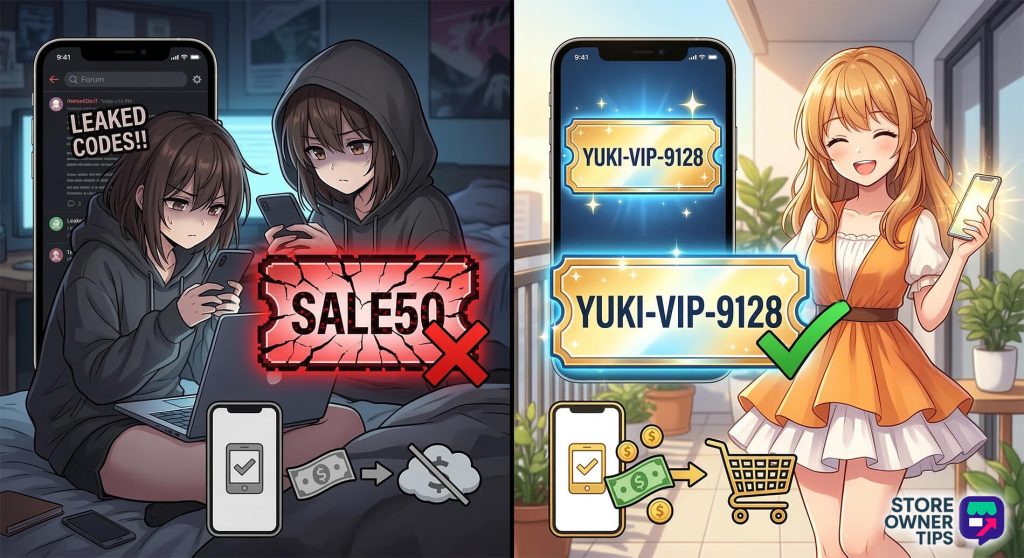
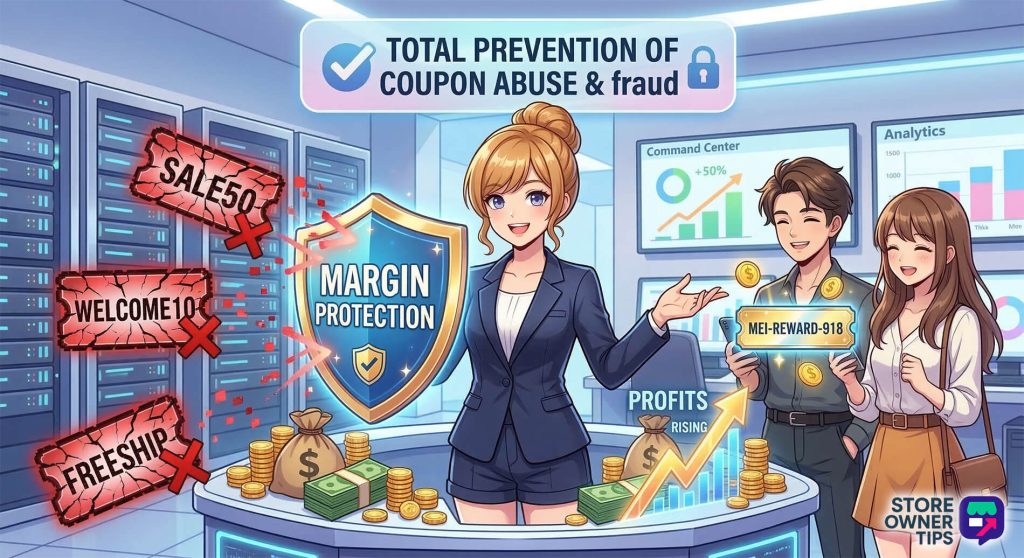
Using dynamic coupons gives your store benefits that go far beyond saving lost carts. The most immediate advantage is the total prevention of coupon fraud. You can offer deep discounts safely without the fear of your code going viral and destroying your profits.
These unique codes also create a strong psychological push to buy. Adding a strict deadline creates a severe fear of missing out. A ticking countdown timer forces the shopper to choose your store over competitors right away.
By targeting hesitant shoppers, you capture money that would otherwise be permanently lost. At the same time, you leave your eager buyers completely untouched by discounts. This exact targeting protects your overall store profits.
The strategy also changes how customers view your brand. Relying heavily on public sales trains your audience to wait for discounts. Dynamic coupons stop this destructive cycle.
Making discounts feel highly exclusive builds a strong relationship with your buyers. Customers feel like VIPs when they receive a unique offer built just for them. This strengthens their loyalty and leads to higher order totals over time.
Smart online store owners use these unique codes across the entire customer journey. You can set up different rules and discount amounts for each specific situation.
Getting a brand new customer is the hardest part of marketing. You can use these unique codes as a great bribe to quickly build your email list. Modern software can tell the exact moment a user tries to leave your website.
When the system sees them leaving, it shows a popup offering a first purchase discount. The user types their email address, and the system instantly sends the dynamic coupon to their inbox. This gives you a direct way to contact them and provides a financial reason to buy.
You should give these welcome codes a very short deadline. Giving the user two or three days creates the necessary urgency. This quickly turns a curious visitor into a paying customer.
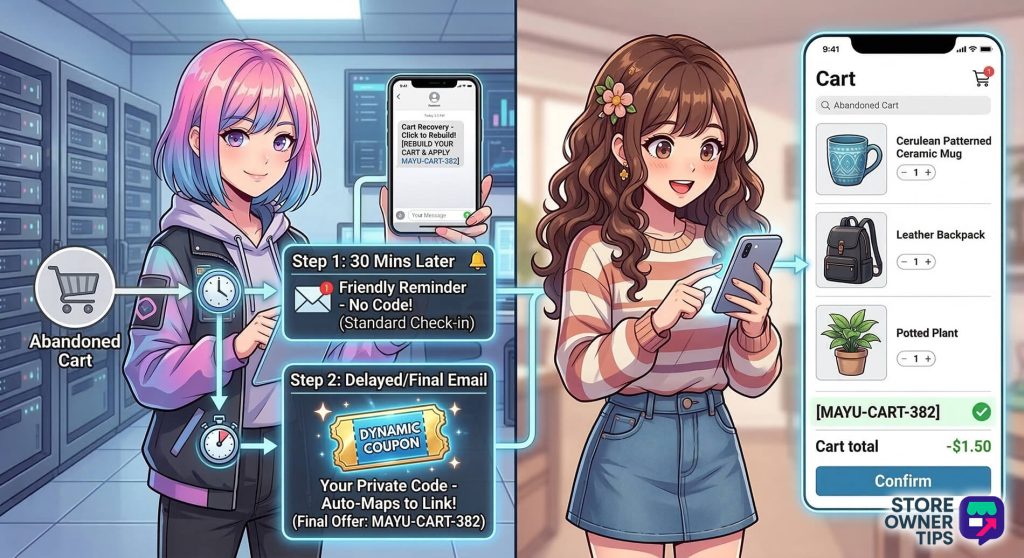
Most online shoppers will put items in their cart and leave without paying. Dynamic coupons serve as the perfect backup plan for recovering these lost sales. The timing of your email sequence is very important here.
You should send the first email within thirty minutes of the customer leaving. However, you should never include a discount in this first message. Wait to see if the customer will finish the purchase on their own.
Save your dynamic coupon specifically for the final email in your sequence. You can even generate codes that attach directly to cart restoration links. When the user clicks the link, the system rebuilds their exact cart and applies the discount automatically.
It is much cheaper to keep a current buyer than to find a new one. These targeted codes are highly effective for bringing back people who have stopped buying. You can set up a rule to fire when a customer goes ninety days without an order.
The software creates a high value dynamic coupon and sends it via email. You can offer a much bigger discount here because you already paid to acquire this customer long ago.
You should give these old customers a longer deadline to use the code. Providing seven to fourteen days gives them enough time to look at your new products.
You can use these codes to increase how often people buy from you. After a successful purchase, your system can create a unique offer for the customer’s next order. You can put this code directly into their shipping email.
You can also group your audience based on their lifetime spending. When a shopper hits a specific spending goal, they receive an exclusive VIP code. You can limit these elite codes so they only apply to high profit items.
| Lifecycle Stage | Automation Trigger Event | Optimal Expiration Window | Strategic Objective | Recommended Discount Depth |
| Lead Generation | User submits email in an exit popup. | 48 to 72 Hours | Convert curiosity into a first purchase. | Low to Medium |
| Cart Abandonment | User leaves checkout area without paying. | 12 to 24 Hours | Recover lost revenue from hesitant buyers. | Medium |
| Customer Win Back | Months passed since the last purchase. | 7 to 14 Days | Reactivate an old customer and prevent churn. | High |
| Post Purchase Upsell | Order successfully completed and paid. | 14 to 30 Days | Drive an immediate repeat purchase. | Low to Medium |
| VIP Loyalty Reward | Customer reaches a high spending goal. | 30 Days or More | Reward top buyers and build deep loyalty. | High |
Doing this properly requires the right technology. Your standard store software cannot manage this process alone. You need dedicated marketing plugins to handle the complex rules.
You must connect your popup builders to your customer database and your email provider. This connection allows the tools to talk to each other and share data.
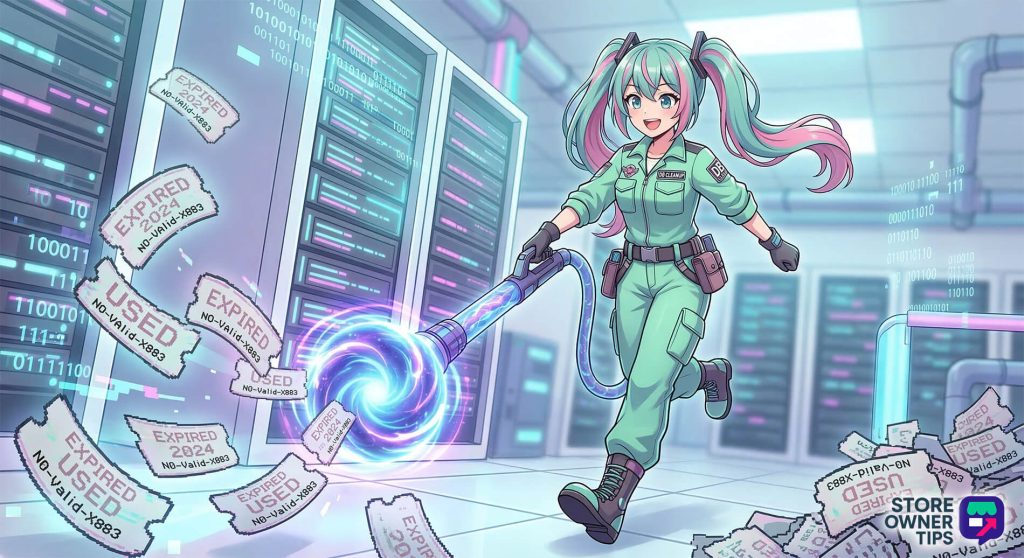
The biggest technical problem with this strategy is database crowding. Store software treats every single code as a new database entry. If you generate hundreds of welcome codes daily, your database will grow very fast.
This buildup of thousands of expired codes slows down your website. It leads to a slow checkout process, which will make more people abandon their carts.
To stop this problem, your automation software must include a cleanup tool. The system must automatically delete the code from your database immediately after a shopper uses it. It must also delete codes the exact moment they expire.
The smartest automation sequence is worthless if the email lands in a spam folder. Standard website servers are known for having bad email delivery rates. Modern email providers will quickly mark these basic messages as spam.
To guarantee your time sensitive codes reach the main inbox, you must use a dedicated email delivery service. This service proves to email providers that you are a real business. It ensures your automated campaigns actually reach your customers.
You must make using the discount as simple as possible. If a user submits their email but the code takes too long to arrive, they might leave your website.
You can speed things up by showing the code on screen immediately after they sign up. An even better approach is using special links that lock the discount into the user session. This completely removes the need for the shopper to copy and paste random letters and numbers.
People frequently confuse these two terms. They represent completely different pricing models. Dynamic pricing is a broad strategy that constantly changes the public price of a product.
Huge marketplaces and airlines use dynamic pricing to charge more money when demand is high. This practice can severely damage customer trust. Shoppers feel angry if they realize they paid more than someone else on the exact same day.
A dynamic coupon is a highly personalized behavioral strategy. The normal retail price of your product stays completely the same for all visitors. The price drop happens entirely behind the scenes at the individual user level.
This makes the unique discount code a significantly safer choice for most online stores. You can improve your sales numbers without upsetting your normal shoppers.
Ultimately, dynamic coupons are more than just random strings of letters and numbers; they are a powerful shield for your profits. By focusing on targeted discounts, you recover lost sales and reward your best buyers without giving away money to everyone.
Upgrading your discount strategy gives you a huge advantage. You can stop coupon abuse completely and safely offer deals only to people who need a push. Whether you set up rules for abandoned carts or send unique codes to old customers, using this strategy builds a much more secure and profitable business over time.
Ready to get started?
Try adding marketing automation plugins to your WooCommerce store. You will quickly see how personalized offers and strict deadlines can turn hesitant shoppers into loyal, paying customers.
Copyright © StoreOwnerTips.com. All Rights Reserved.
