Weekly ecommerce tips, deals & news.
An online sales channel is a digital platform where a business sells its products directly to internet shoppers. Unlike a physical storefront, this method lets businesses reach buyers all over the world. Common examples include a brand’s own website, third-party marketplaces, social media apps, and search engine shopping tabs.
Today, over half of all buyers prefer shopping online rather than visiting traditional stores. Shoppers love the convenience of browsing huge catalogs from home and getting items delivered right to their doors. Because of this shift in consumer behavior, an online sales channel allows store owners to reach a much larger group of potential buyers than local geography allows.
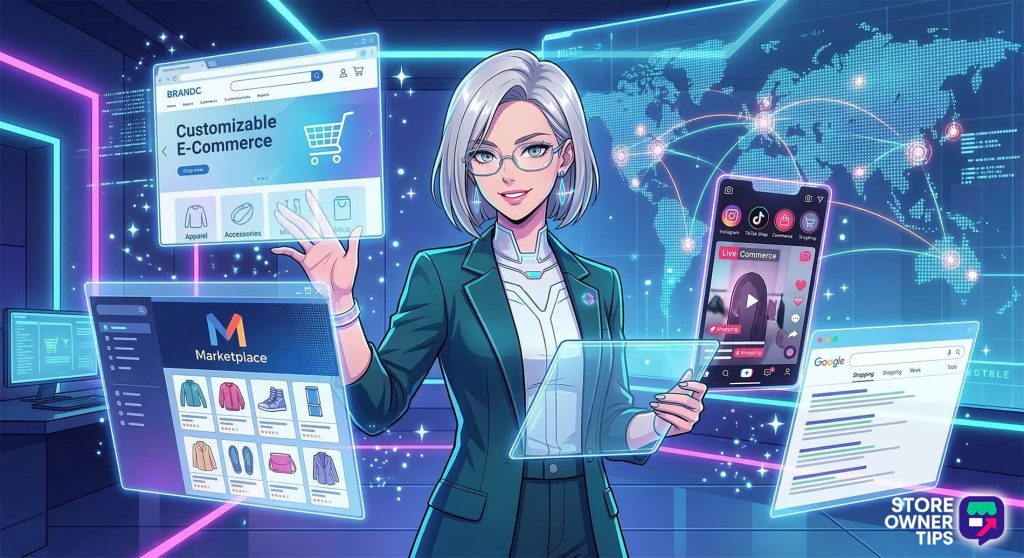
However, managing these channels effectively takes work. Merchants must understand the specific technical rules of each platform and carefully organize their inventory data so outside systems can read it.
To handle this, businesses often use specialized software to automate updates and keep their pricing consistent across all their digital storefronts.
The ecommerce world is split into a few main channels. Each one has its own unique pros and cons for store owners.
A direct website is an online store that a business completely owns and controls, built using software like WooCommerce, Shopify, or Magento.
Marketplaces are massive digital shopping malls that list products from thousands of different sellers. Examples include Amazon, eBay, and Walmart.
This channel operates entirely inside social media apps like TikTok, Instagram, and Facebook. Users can discover and buy products without ever leaving the app.
Instead of relying on standard search keywords, social commerce uses eye-catching posts, influencer recommendations, and emotional connections to drive quick, impulse purchases while people scroll.

Search engines like Google and Bing feature shopping tabs that show product images, prices, and store names directly in the search results.
This includes Comparison Shopping Engines (CSEs) that place listings side-by-side so shoppers can easily find the best deal. To appear in these results, businesses must submit highly organized product data files so the search engine can read them correctly.
| Platform Type | Brand Control | Setup Cost | Customer Data Access | Competition Level |
| Direct Website | Full control | Medium to High | Full access | Low to Medium |
| Marketplace | Limited | Low | Limited | High |
| Social Commerce | Moderate | Low | Moderate | High |
| Search Engine | Limited | Low | Limited | High |
It is important to know the difference between where you sell and where you promote.
How they overlap: Today, these channels often work together. For example, your website is a sales channel when it processes payments, but it acts as a marketing channel when you use blog posts to attract visitors. Similarly, a Facebook page is for marketing when you post daily updates, but it becomes a sales channel the moment you add a shoppable catalog for users to buy from.
As businesses grow, they rarely stick to just one platform. Expanding your online sales requires a clear plan.
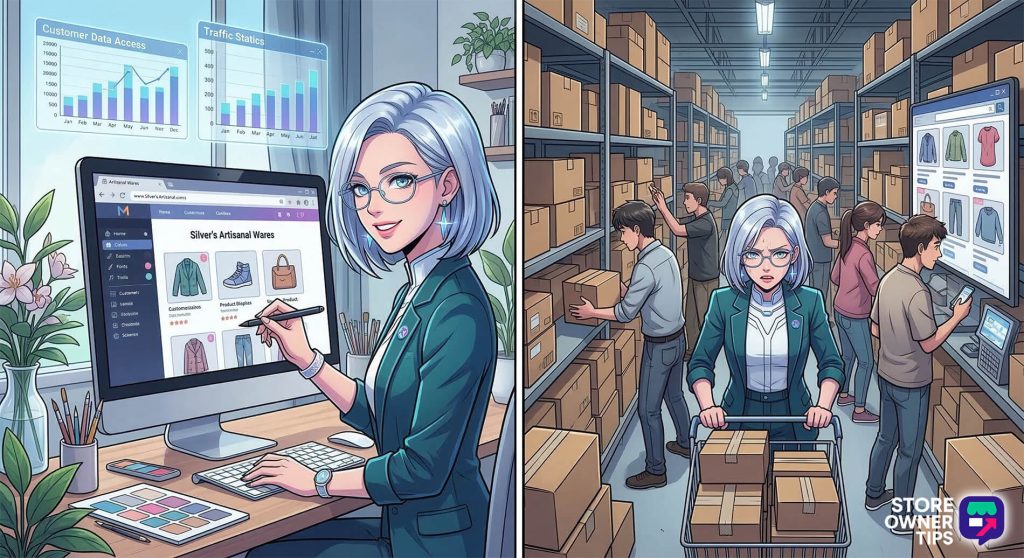
Selling products on more than one platform at the same time (like running your own website while also listing items on Amazon). This gets your products in front of more people and creates new ways to make money. However, each platform mostly acts on its own. Even if your inventory is synced, the customer’s experience can feel disconnected depending on where they choose to buy.
This takes the multichannel idea a step further by fully connecting the customer experience across every platform. The goal is to provide a smooth, consistent brand feel whether the shopper is on a mobile app, your website, or in a physical store.
Because this setup creates such a personalized and easy shopping experience, these buyers are highly profitable. In fact, research shows omnichannel customers spend about 30% more over their lifetime than people who only shop on a single channel.
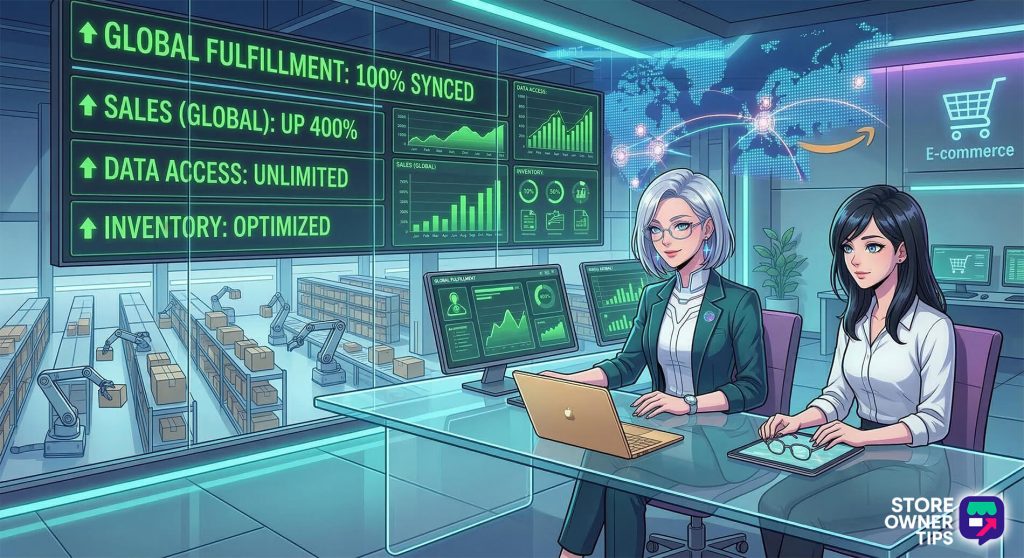
Relying on just one sales channel is incredibly risky. If you only sell on one marketplace and your account gets suspended, your income stops instantly. Plus, sudden changes to a platform’s search rules can hide your products overnight.
Expanding to multiple platforms puts your products in front of more people. When a shopper sees your brand on your own website, a social media feed, and a search engine, they are much more likely to trust you and make a purchase.
Millions of shoppers are scattered across different platforms. If you aren’t there, you are leaving money on the table:
Ultimately, spreading your sales across different online sales channels (diversification) is the absolute best way to keep your e-commerce business stable in the long run.
To pick the best mix of platforms for your business, you need to evaluate three main factors:
To sell on platforms like Google or Facebook, you must send them your inventory information. This is done through a product data feed.
A product data feed is a digital file (usually in formats like XML or CSV) that contains a highly organized list of your products. Search engines and social networks read this file to create your listings. It includes vital details like the product name, price, description, stock status, and image links.
To make sure these external platforms understand your data, you use two main processes:
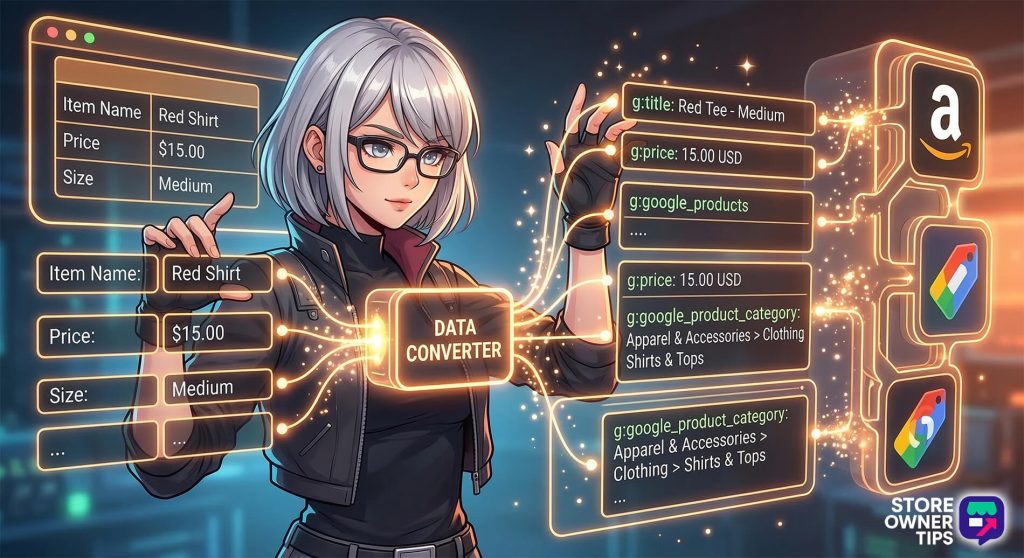
Managing product data by hand for thousands of items is almost impossible. Feed management plugins are software tools that do the work for you. They automatically pull data from your website and update your files on a schedule (like every hour). This ensures your stock levels and prices are always accurate across every platform.

To see how these plugins work in the real world, here is the four-step process for connecting your store to Google Shopping:
| Plugin Feature | Best Use Case | Primary Benefit |
| Automation Level | Multi-channel setups | Saves time formatting and syncing data. |
| Template Builder | Search Engine Focus | Meets strict Google Shopping rules seamlessly. |
| Social Commerce Sync | Facebook and Instagram | Increases mobile impulse sales. |
| Marketplace Access | Broad marketplace setups | Effortlessly reaches new buyer demographics. |
While selling on many platforms is profitable, it comes with some tough hurdles:
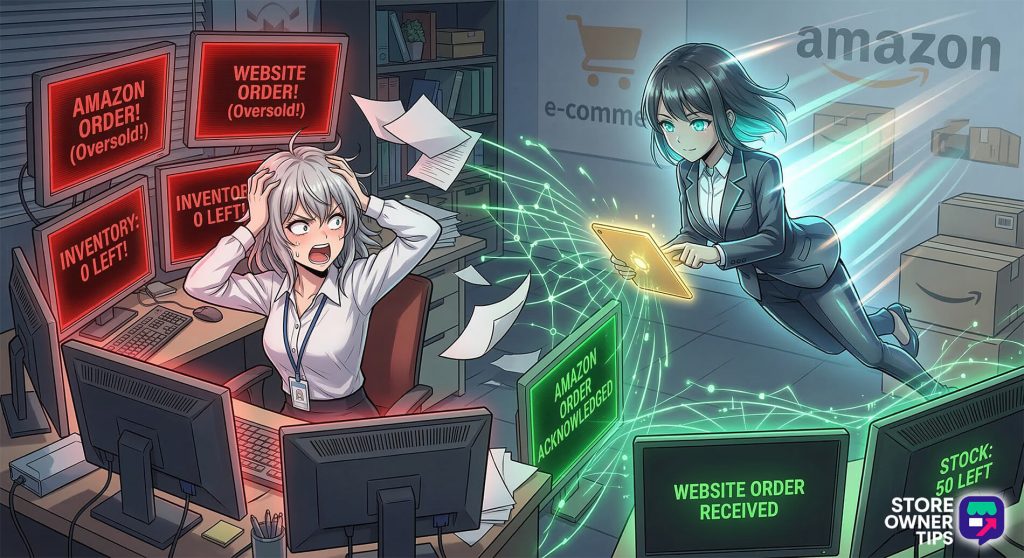
An online sales channel is more than just a place to list items; it is a powerful tool to reach millions of shoppers across the internet.
When you sell on more than one platform, you lower your business risks, collect valuable customer data, and set yourself up for long-term growth. This “omnichannel” approach turns a standard store into a flexible system that makes shipping easier and keeps money coming in.
Related Concepts to Explore Next:
Copyright © StoreOwnerTips.com. All Rights Reserved.
